On a hot Australian day, I have actually seen concrete decks struck surface area temperature levels above 50 ° C by mid‑afternoon. You feel it as quickly as you get out of the website shed: the glare off the slab, the still air in between scaffold bays, the noise of a brickie silently battling a little bit more with each lift. Lots of people on website understand that heat makes the day harder. Less truly recognize how promptly it can end up being life‑threatening.
That is why warm tension is not an "additional" in the building induction card. It rests at the core of CPCWHS1001 Prepare to function securely in the construction industry, the nationwide device that underpins the Australian white card. Whether you participate in a white card course in Adelaide, Darwin, Hobart, Perth, or online where allowed, you will be anticipated to understand warm danger, not simply for on your own however, for your workmates.
This post perth white card breaks down exactly how warm tension is treated in the white card context, what you actually learn in the training course, and exactly how that converts to more secure, a lot more reasonable job practices on live building and construction sites.
Where warm stress suits the White Card framework
White card training, occasionally called general building and construction induction training, covers a wide range of dangers: working at elevations, electricity, harmful compounds, manual handling, asbestos building websites and more. Heat stress and anxiety building and construction risks sit in the area on ecological and physical threats, together with noise, dirt, silica dust building and construction sites and UV exposure.
Under CPCWHS1001 Prepare to work securely in the building industry, you need to show that you can:
- identify risks assess threats follow risk-free job methods respond to cases and emergencies
Heat anxiety is used as a sensible instance for all four. The trainer will generally white card nt link it to actual tasks such as linking steel on a slab, dogging and rigging in full sunlight, functioning inside a shipping container made use of as storage, or cutting roof covering sheet on a north wall at 2 pm in January.
Across Australia, whether you are doing a white card course in Adelaide, a Darwin white card course in the Northern Region, or a Hobart white card course in Tasmania, the core content of CPCWHS1001 is country wide consistent. Certain state policies vary, such as the white card NT 60 day rule for making use of interstate statements of attainment, or nsw white card expiry regulation, yet the principles of heat tension risk control are shared.
What "warmth stress and anxiety" actually means on site
New to building employees usually consider warmth risk in regards to "really feeling hot" or getting a little bit light‑headed. The white card course presses you further. You discover to compare:
Heat tension as a basic condition where the body is battling to control its interior temperature under warm or humid problems. This can introduce more severe illnesses if not managed.
Heat fatigue, where the body sheds too much water and salts via sweating. The person may be light, clammy, weak and confused.
Heat stroke, a clinical emergency situation where the body's temperature policy falls short. Sweating might quit, the skin can really feel hot and dry, and the person can collapse or have seizures.
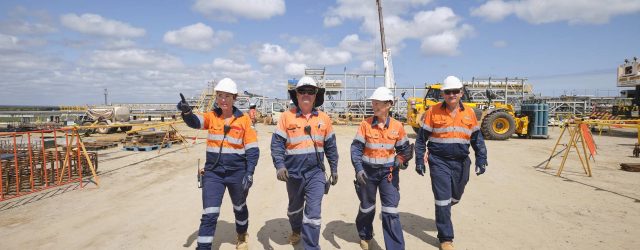
Trainers use easy, useful language to link those book terms to what you could in fact see on a scaffold or in a plant room. In my experience, the best trainers do not avoid blunt detail. They clarify that by the time someone reaches warm stroke, their inner body organs are starting to cook. That sticks with individuals far much better than a cool definition.
You likewise check out just how other elements compound heat stress: heavy PPE building and construction site requirements like long sleeves, gloves and headgears, or a tight structure construction honor 2020 program that presses more work into less days. A good fitness instructor will openly speak about schedule stress and cultural standards, since that is where people cut edges on hydration breaks and shade.
Key symptoms and signs you are anticipated to know
White card evaluations, whether in person or related to white card online options where available, tend to concentrate on recognition and reaction. You are not educating to be a physician, however you must have the ability to spot early warning signs and act.
Typical white card course material around warmth includes a brief checklist of physical and behavioral modifications to expect. Expect at the very least these to be covered:
Headache, wooziness or feeling "off" Nausea, vomiting or anorexia nervosa Heavy sweating in the beginning, then suddenly dry skin Confusion, irritation or unusual practices Muscle cramps or unusual exhaustion compared to typical job effortOn website, I inform pupils that any type of abrupt modification white card course near me in how a workmate relocates or speaks is a warning sign up until tested otherwise. Somebody who goes down devices regularly, misses out on simple directions, or leans against the scaffold a little longer in between lifts might be beginning to glide right into trouble.
In the white card course, instructors commonly build situations: a labourer white card holder pressing a wheelbarrow of concrete upstairs, or a distribution chauffeur white card holder discharging plasterboard from a vehicle. You may be asked what you would certainly say or do if that person started stumbling or complaining of extreme thirst.
This is not regarding getting the "appropriate" cpccwhs1001 white card responses. It is about building the habit of examining each other prior to a person collapses.
How white card training web links warm tension to legal duties
One point individuals ignore is how highly warm is connected to WHS law. Under the Job Health And Wellness Act and Laws in the majority of states and regions, heat is treated as a direct risk, okay luck or "just summer".
During the course you learn that:
The individual performing an organization or endeavor (PCBU) has an obligation to give a workplace without dangers to health and wellness thus far as is sensibly achievable. That consists of handling thermal convenience and warmth stress.
Supervisors and site managers should prepare job to ensure that tasks with high warm lots are arranged to cooler times of day where possible, which remainder breaks, shade and water are provided.
Workers have tasks too. You need to use controls given, such as alcohol consumption stations and sanctuaries, comply with safe work treatments, and report signs and symptoms early. Denying your hard hat follower or otherwise making use of a great vest when supplied can end up being a WHS issue, not just an individual choice.
This lawful framework appears in assessments. For instance, white card questions and solutions typically match a warm circumstance with "That would certainly you report this to?" or "What is your duty right here?" It is part of constructing the practice of activity, not silence, when you see a problem.
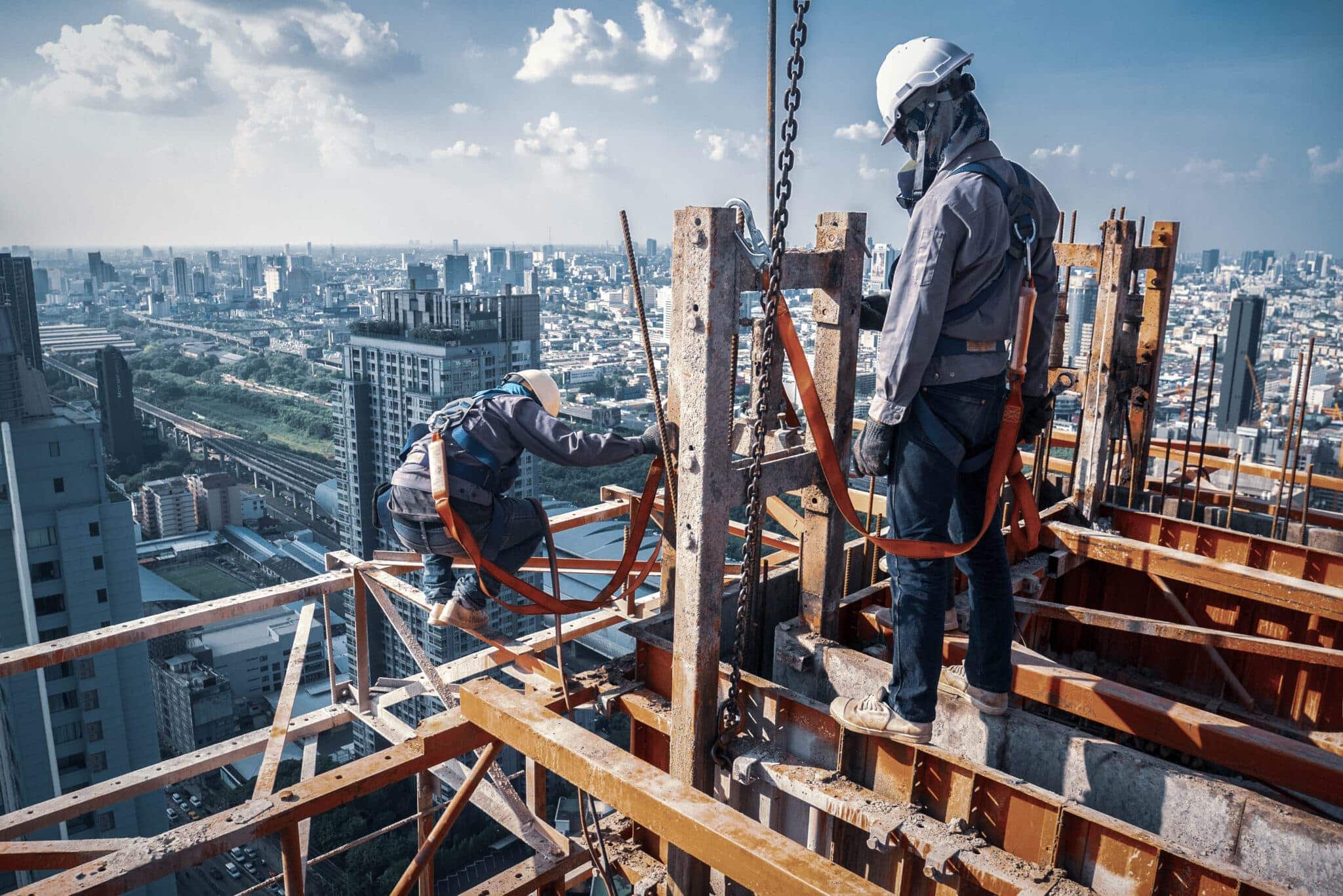
Whether you hold a white card qld, a vic white card, a white card WA or a south australian white card, those task concepts follow you across all Australian building and construction licences Australia wide.
Risk factors you find out to detect around the site
The most useful part of cpccwhs1001 Prepare to work securely in the building industry is learning to see the task the way a qualified supervisor does. With warmth, that means looking beyond the climate forecast.
Trainers will certainly walk you via different building settings:
High exposure areas like rooftops, top decks of multi‑storey parking area, scaffold platforms without shade towel, and open civil jobs where reflected warm from asphalt or concrete adds to direct sun.
Enclosed or semi‑enclosed areas where ventilation is inadequate. Assume plant areas, cellars, lift shafts, roofing system dental caries, or delivery containers and site sheds used for storage space. Temperatures in these can exceed exterior air by 10 to 15 degrees.
Tasks with hefty physical load, such as hands-on handling building activities, working at heights with complete fall‑arrest harnesses, or plant devices safety building tasks where you climb up in and out of machinery all day.

Add in additional dangers like dirt construction sites, noisy plant, and electrical security building and construction manages that might need added PPE, and you begin to see why some tasks come to be high‑risk within an hour of sunrise.
In white card training, particularly in onsite white card training sessions for firms, trainers often ask participants to define their very own sites. A woodworker might discuss a roofing system space in Port Adelaide where the air felt like a stove by mid‑morning. A website traffic controller with a white card web traffic control duty might speak about depending on dark asphalt for 10 hours without shade. These lived tales stick much better than any kind of slide deck.
Practical controls: what you are expected to do differently
The course drills an easy WHS power structure of control, after that uses it to warmth anxiety. You learn to believe in terms of eliminating, substituting, separating and then, as a last resource, depending on PPE and management controls.
In practice, that could indicate:
Rescheduling hot jobs to early morning or late mid-day. For instance, putting concrete, connecting reo or setting up roof covering sheet before the day comes to a head. You will listen to trainers tension that the program needs to represent this from the start, not as an afterthought.
Engineering controls, such as setting up momentary shade sails, making use of followers or mechanical air flow in encased areas, or transferring workstations under cover. On some large commercial tasks I have seen full misting systems set up along scaffold walkways.
Administrative controls, such as job turning so one worker is not completely sun throughout the day, implementing additional rest breaks during heatwaves, and making use of pal systems where employees examine each other regularly.
PPE and clothes choices: lightweight, breathable materials that still satisfy PPE construction website demands, wide‑brim hats instead of caps, neck flaps on hard hats, and cooling down turbans or vests on severe days.
These are not "great to have" extras. In numerous white card training courses Australia large, trainers share coronial searchings for from warmth related deaths and severe incidents to underscore that stopping working to apply easy controls has eliminated people.
Hydration and breaks: what the course truly emphasises
One section of the white card course content that regularly motivates questions is hydration. Individuals know they need to drink water, yet many undervalue how much they need on a warm building site.
Expect an instructor to cover some version of the following hydration fundamentals:
Start the day hydrated, do not wait until you are thirsty. Drink small amounts frequently instead of large quantities all at once. Use electrolyte beverages in small amounts on really warm days or during heavy job. Avoid high‑sugar power drinks as your major liquid resource. Use toilet colour as a harsh check: dark yellow is a warning sign.There is additionally a cultural item here. On some sites, older employees still joke about "surviving" or conserving breaks for when the manager runs out sight. White card face to face fitness instructors resolve this straight. You are told, clearly, that taking warm breaks is not weakness, it is required. Several PCBU plans currently mandate additional rest cycles when ambient or damp bulb world temperature passes particular thresholds.
For company white card training groups, specifically when white card employer needs are being talked about, managers are advised that pressing crews to avoid breaks to satisfy due dates is a WHS violation, not "excellent leadership".
Heat stress and anxiety in different construction roles
An usual misconception is that just labourers or tradies swinging tools require to fret about warmth. Among the toughness of the general building induction card is the way it makes warmth everyone's problem.
During training, you will certainly see scenarios tailored to different roles:
A job manager white card owner strolling the site in PPE during afternoon examinations, investing hours in the sun during top warm, frequently without consuming enough.
Surveyors white card owners operating in open paddocks or on road alignments with long direct exposure, flexing and walking constantly.
Engineers white card building and construction professionals climbing up scaffolds, entering plant rooms, and spending quality time in partly enclosed spaces.
Real estate agent white card owners or movie set white card owners on short-lived building and construction or fit‑out sites, frequently not familiar with construction emergency situation procedures and ignoring warm risk in incomplete buildings.
Even distribution drivers, web traffic controllers and workplace team that enter the site has to hold a building and construction jobs white card in a lot of jurisdictions and are expected to understand where warmth risks exist and who to report them to.
This whole‑of‑site strategy is particularly vital on mixed websites where mining white card style risks overlap with structure construction, or where significant facilities functions bring in big company white card training teams that are new to building and construction environments.
How warm stress and anxiety links to other White Card topics
The CPCWHS1001 program rarely deals with subjects alone, and warmth stress is no exemption. Trainers utilize it to connect the dots with other danger areas.
For example, manual handling construction injury risk increases sharply when workers are tired out or dried out. Individuals misjudge lots, journey much more conveniently, or take faster ways with training technique. You may be asked in an evaluation to identify numerous risks in a solitary situation: an employee bring plasterboard in full sun without handwear covers, near an unguarded side, while looking visibly unwell.
Heat also interacts with dangerous materials building and construction risks. Solvents, paints, adhesives and resins can volatilise much faster at high temperatures, raising breathing exposure. Combined with silica dirt building and construction sites or asbestos building and construction sites removal, warmth can press people to ditch their respiratory defense prematurely.
Noise building site levels can limit spoken interaction, which matters if somebody in distress tries to call for help. White card evaluation usually expects you to discuss both spoken and aesthetic WHS communication construction choices, such as hand signals, radios or agreed gestures.
Electrical safety and security building jobs might call for full arc‑rated garments, which is heavier and less breathable than normal PPE. In those scenarios, the value of planning operate at cooler times ends up being obvious.
When you see how many subjects connect back to heat, it makes sense that white card programs Australia vast maintain returning to it as a situation study.
What this resembles in the actual classroom
If you are wondering, "Is the white card course hard?" when it pertains to the technological side of warmth stress, the solution is no, offered you listen and ask inquiries. Instructors are not trying to transform you right into a professional WHS consultant. They desire you to entrust to a reasonable feeling of danger and some clear actions.
A regular white card course what to expect experience might resemble this:
You beginning with a fundamental review of WHS regulation and duties, including that needs a white card and the role of the building and construction induction card contrasted to a site‑specific induction. Instructors clarify that a white card vs website induction contrast is not either or: you require both.
Later in the day, you enjoy brief video clips or resolve study about heat incidents. Some carriers give you a technique white card examination so you obtain used to the multiple‑choice design, consisting of heat‑related scenarios.
You take part in group discussions, especially in group white card programs, where individuals share experiences of heat near‑misses or how their employers deal with heat. These discussions are usually the most useful component of the day.
By the moment you sit the white card examination inquiries and solutions section, you have actually usually seen warm stress and anxiety from several angles. The goal is not to deceive you. Rather, fitness instructors want to inspect that you can select warm dangers on a mock site image, understand basic controls, and know who to speak to when conditions deteriorate.
If you are doing a white card course in Adelaide, a white card course Darwin, a white card course Hobart, or a white card course Perth, anticipate local references. A Darwin trainer may talk about moisture in the accumulate. A Hobart fitness instructor might focus on unanticipated warm days capturing individuals out in cooler environments. The unit cpcwhs1001 is national, however the examples are based in neighborhood climate and work patterns.
Using warmth stress expertise after you obtain your White Card
Once you hold your white card certificate, whether you applied via white card training Adelaide SA, white card training Darwin NT, white card training Hobart, white card training Perth or in other places, the real job starts. Knowledge regarding warmth tension only matters when you utilize it.
Here is just how it normally plays out on website:
On your very first day, you undergo a site‑specific induction that covers construction website indications, discharge layouts, building emergency treatments and regional guidelines. Pay very close attention to any kind of warm policy. Some websites have clear thresholds for extra breaks or work interruption; others are vaguer. If something is vague, ask.
During the work, you watch on yourself and your colleagues. If you are a pupil conference construction instruction requirements, you may really feel stress to prove you are eager. Remember that your manager is legally responsible for your health and wellness. Coverage symptoms early becomes part of doing your work effectively, not allowing the group down.
If you proceed toward leading hands or supervisor roles, the white card course material ends up being a base for advanced training. You might finish added units around working at elevations building, plant and equipment supervision, or business white card training refresher courses for bigger organisations. Warmth monitoring will certainly keep appearing, specifically when you plan tasks, allocate labour and coordinate with contractors.
Even if you later relocate into estimating, realty, task management or WHS consultatory functions, the memory of really sweating it out on a slab or scaffold informs your decisions. I have seen policy manufacturers without any site time write ventilated procedures about "job must discontinue in extreme problems" without trigger points or sources affixed. People who have actually operated in 38 ° C warm usually compose much better rules.
A couple of sensible tips from the field
To finish, it deserves sharing a handful of observations that sit together with what you find out formally in CPCWHS1001:
First, your body adapts, but only to a factor. If you are new to building or returning after a break, your tolerance for warm will certainly be lower. Alleviate in where you can, talk with your supervisor, and do not compare yourself harshly to a person who has done ten summer seasons on the tools.
Second, equipment matters. A a little a lot more expensive breathable shirt or a wide‑brim construction hat add-on can make an enormous difference day after day. Most structure business will authorize practical PPE options if you discuss they reduce warm tension and keep you productive.
Third, water should be accessible, not simply technically offered. I have actually seen sites where the only refill factor was a tap 5 minutes' bow out the main workface, which implied individuals missed it. When you remain in any kind of leadership role, battle to obtain water and shade as close to the crew as possible.
Fourth, culture wins or loses this. If the loudest voices on website discount breaks or extol resolving warmth stroke, people will certainly conceal signs. If managers and older tradies version wise behaviour, more youthful workers copy it. You reach choose which camp you join.
Finally, remember that the white card is your entry ticket to the industry, not the goal. Warm stress and anxiety is one of the first severe risks you learn more about in the adelaide white card or any type of other state's training course for a factor. It is common, it is foreseeable, and it is one of the few hazards that practically everyone on a construction site will certainly face often times each year.
Use what you find out in CPCWHS1001 prepare to work securely in the building market to keep yourself and your mates standing, thinking plainly and going home in one item, despite exactly how hard the sunlight hits the slab.